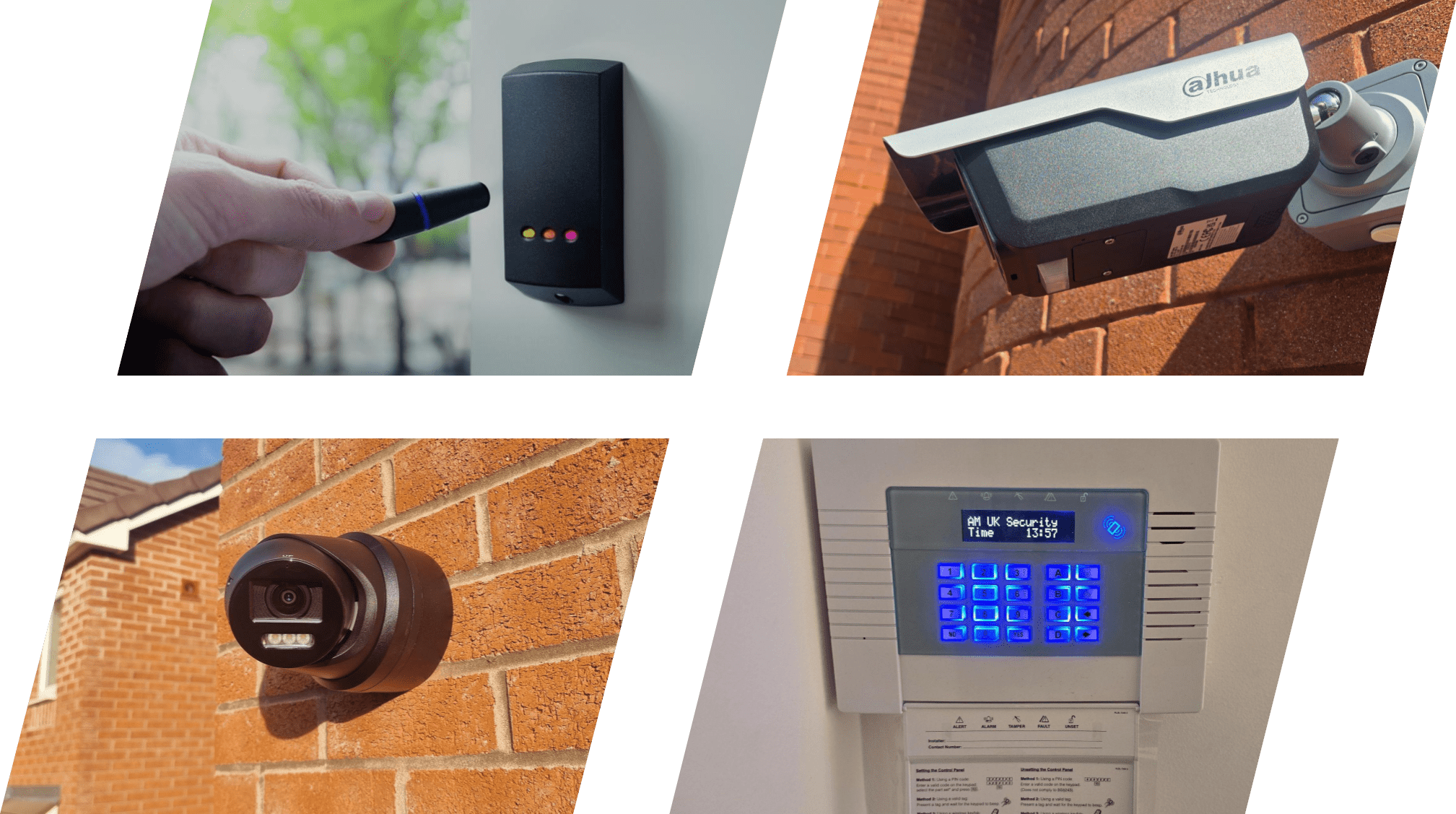
The rise of the “garden office” has changed the way many of us work across the UK. Turning a shed, summerhouse, or bespoke outbuilding into a workspace is a fantastic way to separate home life from work life. However, it also creates a unique security challenge.
Most garden offices contain a significant amount of value, including laptops, monitors, and expensive office furniture. Because these buildings are often located at the bottom of the garden and away from the main house, they can be seen as easier targets for burglars.
If you are using an outbuilding as a workspace, here is how you can extend your security to protect it.
The Challenge of Distance
The first hurdle when securing a garden office is the distance from your main recording equipment. A standard Wi-Fi signal often struggles to reach the bottom of a garden, especially if it has to pass through thick external brick walls.
While “wireless” cameras are an option, they often suffer from lag or dropped connections if the signal is weak. For a professional, reliable setup, we usually recommend a hard-wired connection. Running a high-grade outdoor ethernet cable from your main house to the outbuilding ensures that your cameras have a constant, high-speed connection that cannot be interfered with by poor weather or Wi-Fi congestion.
Internal vs External Coverage
When securing an outbuilding, you should consider a two-layer approach:
- External Deterrence: A camera mounted on the exterior of the garden office acts as a primary deterrent. It should be positioned to cover the entrance door and any windows. This ensures that any approach to the building is recorded before an entry attempt is even made.
- Internal Protection: If a burglar does manage to break in, an internal camera provides the vital close-up footage needed for identification. Many modern internal cameras also feature “two-way audio,” allowing you to speak through the camera if you receive an alert on your phone.
Integrating with Your Main System
One of the most efficient ways to secure a garden office is to integrate the new cameras into your existing home CCTV system. This allows you to view all your cameras—both in the house and the garden—through a single app.
This integration also means that your outbuilding benefits from the same recording capacity as your main house. If your home system uses an NVR (Network Video Recorder), the footage from your garden office will be stored securely inside your house, rather than on a memory card inside the camera itself which could be easily stolen or damaged.
Don’t Forget the Lighting
Garden offices are often tucked away in dark corners of the property. While CCTV cameras have excellent night vision, they work best when paired with motion-activated lighting.
A bright LED floodlight that triggers when someone approaches the garden office not only provides the camera with a clearer image but also startles any intruders. In many cases, the combination of a bright light and a visible camera is enough to make a burglar turn around and leave.
Power Supply Considerations
If your garden office already has its own power supply, installing CCTV is relatively straightforward. However, it is important to ensure that the power source for your cameras is secure. If a burglar can simply unplug your cameras from an external socket, your security is compromised. We always ensure that power cables are hidden or protected within the building’s structure to prevent tampering.
Professional Installation for Peace of Mind
Securing an outbuilding requires a bit more technical planning than a standard home installation. From managing signal strength to ensuring cables are weather-proofed and buried correctly, a professional touch makes all the difference.
At A&M UK Security, we have helped hundreds of homeowners turn their garden offices into secure, high-tech workspaces. We can assess your garden layout and provide a bespoke plan that keeps your equipment and your livelihood safe.
Contact A&M UK Security today to discuss extending your CCTV coverage to your garden office or outbuilding.