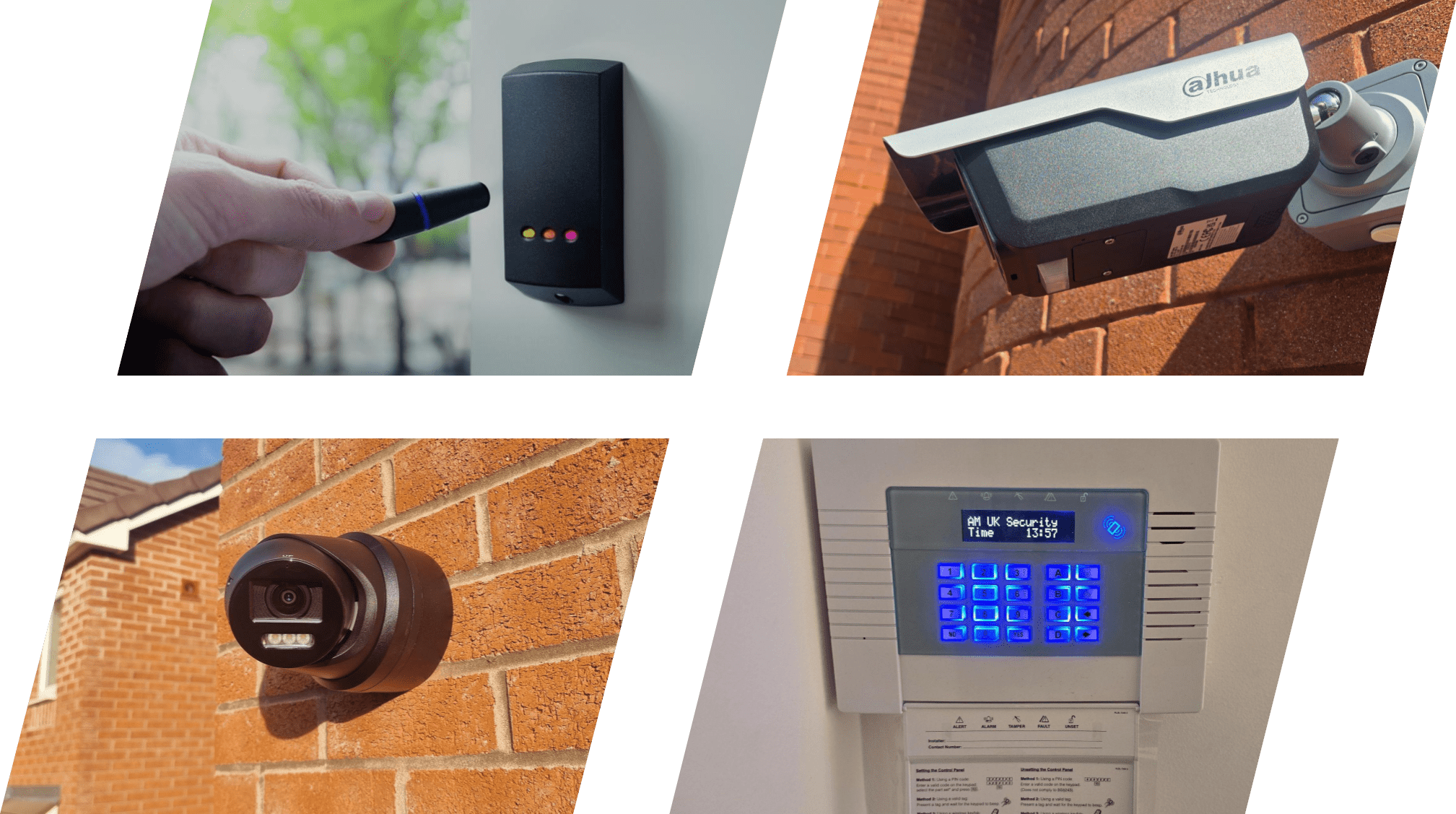
Choosing the right CCTV cameras for your property starts with understanding the difference between indoor and outdoor models. While both types help improve security, they are designed for very different environments and purposes. Knowing how they differ will help you choose a system that works effectively and lasts longer.
Indoor CCTV Cameras
Indoor cameras are designed for use inside the home or workplace. They are usually smaller, lighter, and more discreet than outdoor models. Many come with flexible mounting options, allowing them to be placed on shelves, walls, or ceilings without altering the appearance of a room.
Indoor cameras are useful for:
- Monitoring hallways and entry points inside the building
- Keeping an eye on high-value items or secure rooms
- Checking on pets, deliveries, or internal activity while away
They typically do not need to be weatherproof and often rely on existing indoor lighting. Because they are protected from the elements, they tend to have a longer lifespan when placed correctly.
Outdoor CCTV Cameras
Outdoor cameras are built to withstand the weather and changing temperatures. They usually have a stronger, more durable casing and are rated with an IP weather protection level to guard against rain, dust, and wind. Most outdoor cameras also include infrared or low-light capability to record clear footage at night.
Outdoor cameras are commonly placed at:
- Front and back doors
- Driveways and car parks
- Gardens, yards, or pathways
- Outbuildings such as garages or sheds
They are designed to provide wide coverage and work reliably in all seasons. When installed securely and at the correct height, outdoor cameras also act as a visible deterrent to intruders.
Key Differences at a Glance
Indoor and outdoor CCTV cameras are designed for different environments, so there are a few important distinctions to be aware of:
Lighting conditions:
Indoor cameras rely on indoor lighting and typically do not need strong night vision. Outdoor models often include infrared sensors or enhanced low-light technology to record clear footage at night.
Size and appearance:
Indoor units are usually smaller and more discreet, so they blend into a room without drawing attention. Outdoor cameras tend to be larger and more robust to offer better durability and visibility.
Weather protection:
Indoor cameras are not built to handle rain, wind, or drastic temperature changes. Outdoor cameras, by contrast, are weatherproof and made to withstand the elements throughout the year.
Placement:
Indoor cameras are placed inside the building, often in hallways, entry areas, or rooms where valuables are stored. Outdoor cameras are positioned around entrances, external pathways, driveways, or other points where someone might approach the property.
Which Should You Choose?
Most properties benefit from a combination of both indoor and outdoor cameras. Outdoor cameras protect the perimeter and act as the first line of defence, while indoor cameras monitor internal movement and provide evidence if someone gains access.
If you are unsure which setup is most suitable, consider the layout of your property and the areas most likely to be vulnerable. A professional survey can help you identify the right camera types and the best places to install them.
Conclusion
Indoor and outdoor CCTV cameras serve different purposes, but both play an important role in improving security. By choosing the correct type for each area of your property, you can create a reliable and effective system that provides peace of mind.
For expert advice and professional installation tailored to your property, A&M UK Security can help you select and fit the ideal CCTV system to keep your home or business protected.