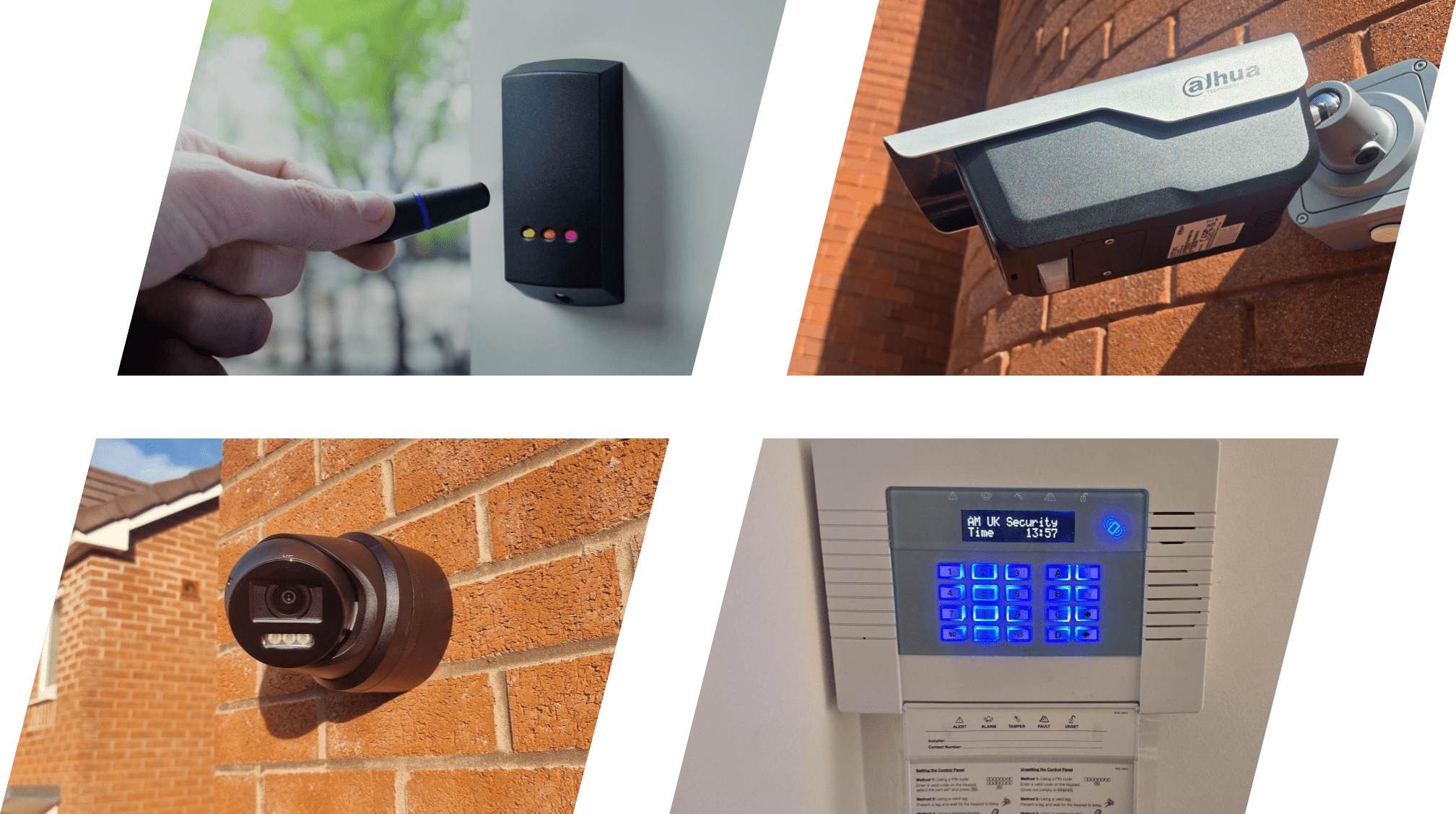
On the final Sunday of October, British Summer Time (BST) officially comes to an end across the UK. While turning clocks back one hour grants an extra hour in bed over the weekend, for commercial facilities, industrial estates, logistics yards, and retail parks, it marks the sudden onset of prolonged afternoon darkness.
Almost overnight, natural daylight disappears before 17:00. By mid-winter, twilight arrives as early as 15:45.
This seasonal shift dramatically alters commercial site vulnerability. Opportunistic thieves, organized break-in crews, and vandals rely heavily on the cover of darkness. According to UK crime statistics and commercial insurance records, criminal trespass and after-hours burglaries experience a documented spike between late October and January.
Preparing your commercial premises for the clock change requires more than simply adjusting timer switches. In this guide, we examine the operational impact of earlier darkness, explore active deterrence lighting, detail AI perimeter analytics, and provide an actionable security checklist to safeguard your site this autumn and winter.
1. The “Twilight Vulnerability Window”: Why October Breaches Spike
Many commercial burglary attempts do not occur in the dead of night; they occur during the twilight vulnerability window between 16:30 and 19:30.
Several operational factors converge during this critical transition:
- Overlap of Darkness and Site Activity: In summer, dusk falls long after staff have left and buildings are locked down. After the clocks go back, twilight coincides directly with evening staff departures, contractor handovers, and twilight delivery runs. Busy loading bays and gates are plunged into darkness while operations are still active.
- Blind Spots During Low-Sun Glare and Fast Dusk: As the sun dips rapidly, low-angle light creates severe lens glare on security cameras facing west or south, followed immediately by deep shadows. Inferior camera sensors struggle to adapt to the abrupt contrast shifts, producing washed-out or completely dark imagery during peak closing hours.
- The Cover of Commuter Traffic: Darker early evenings allow intruders to blend into heavy rush-hour traffic along adjacent roads. Trespassers can survey external compounds, test boundary fencing, and remove equipment under the cloak of night while perimeter staff are occupied indoors.
2. Moving Beyond Grainy Night Vision: Active Deterrence & Smart Dual-Light
Historically, business owners relied on basic Infrared (IR) black-and-white night vision to protect premises after dark. While IR illuminators provide covert monitoring, traditional black-and-white night vision presents significant drawbacks during real police investigations:
- Loss of Critical Color Context: Black-and-white video strips away essential descriptive details—such as the color of a suspect’s jacket, shoes, backpack, or getaway vehicle.
- Lack of Active Warning: IR cameras record silently in the dark. An intruder may spend 20 minutes stripping copper piping or breaking into a tool container completely unaware that a camera is pointed at them.
The Power of Full-Color Low-Light & Smart Hybrid Illumination
Modern commercial IP CCTV solves this vulnerability using Smart Dual-Light (Hybrid) and ultra-low-light sensor technology:
- Ultra-Sensitive Apertures (F1.0 Lenses): High-aperture lenses capture up to four times more ambient light than conventional lenses, delivering full-color video even under dim yard lighting or distant streetlamps (less than 0.001 lux).
- Target-Activated Supplemental White Light: Rather than leaving glaring floodlights on all night—which wastes energy and can cause light pollution complaints from neighbouring properties—smart dual-light cameras remain in discreet IR mode until an embedded AI algorithm verifies a human or vehicle approaching a restricted boundary.
- Psychological Impact of Instant Illumination: The second a trespasser breaches a boundary, the camera triggers bright white LEDs and audible spoken warnings. This sudden flash instantly shatters the intruder’s assumption of darkness, forcing immediate retreat while capturing crisp, full-color facial evidence.
3. Virtual Tripwires & AI Perimeter Analytics in Foul Weather
Darkness alone is not the only challenge facing outdoor security systems in late autumn; fallen leaves, driving rain, dense mist, and high winds frequently trigger false alarms on basic motion sensors.
If your security setup relies on legacy PIR sensors or pixel-based motion detection, October and November often trigger relentless false alarm notifications. This causes operator fatigue, where business owners begin ignoring notifications—often missing an actual intrusion.
How Deep-Learning Line-Crossing Operates:
Modern commercial surveillance systems utilize deep-learning perimeter protection to filter out environmental noise:
- Object Classification: AI processors analyse video streams frame-by-frame, categorizing shapes specifically into Human, Vehicle, or Background Noise.
- Virtual Tripwires & Intrusion Zones: Property managers can configure digital boundary lines along perimeter fences, loading bay aprons, and compound gates.
- Zero False Triggers from Weather: Swirling autumn leaves, heavy rain droplets reflecting off camera glass, and prowling nocturnal wildlife (such as foxes or badgers) are ignored automatically.
- Instant Verified Alerts: You or your Alarm Receiving Centre (ARC) receive smartphone alerts or live alarm streams only when an actual person or vehicle crosses your perimeter line outside authorized hours.
4. Lighting & Environmental Housekeeping: Eliminating Autumn Shadows
Camera technology is only as effective as the environment it monitors. As the clocks change, conducting a physical grounds inspection prevents simple environmental factors from compromising your security hardware:
Key Lighting and Environmental Actions:
- Inspect Photocell & Time-Clock Triggers: External security floodlights and yard lighting often operate on astronomical time clocks or ambient light photocells. Test and adjust these timers so illumination engages at least 30 minutes before dusk.
- Cut Back Overgrown Summer Foliage: Tree branches, hedges, and ivy that flourished during summer months often droop heavily under autumn rain and wind. Overhanging branches can block camera sightlines, cast deceptive shadows across yards, or scrape against camera housings, triggering continuous alarms.
- Audit Illumination Gaps: Walk your perimeter after 18:00. Identify dark corridors between outbuildings, unlit skip areas, and shadowed loading bays. Installing supplementary high-efficiency LED wall packs eliminates blind spots where criminals can conceal themselves.
5. Pre-Clock-Change Commercial Security Checklist
Use this actionable checklist ahead of the clocks going back on the last weekend of October:
| Priority Area | Inspection Task | Frequency |
| System Clocks & NTP | Verify that NVR recorders, access control controllers, and IP cameras automatically synchronize via a Network Time Protocol (NTP) server to prevent timestamp discrepancies in evidence. | Annual (Mid-October) |
| Lighting Alignment | Inspect all external yard floodlights, emergency exit luminaires, and PIR sensor lamps for blown bulbs or faulty photocells. | Bi-weekly |
| Camera Lens Cleaning | Clear cobwebs, traffic film, and dirt from camera domes and glass lenses to prevent severe night-time infrared glare (“IR bounce-back”). | Monthly |
| Perimeter Boundary Walk | Check palisade fencing, compound gates, and padlocks for structural weaknesses or gaps concealed by shadows. | Weekly |
| Access Control Schedules | Update automated gate opening hours and exterior door badge-access rules to align with darker closing routines. | Seasonally |
| Lone Worker Protocols | Ensure staff leaving after dark have clear, illuminated walkways to car parks and active intercom or duress panic access. | Seasonally |
Prepare Your Commercial Premises for Winter Darkness with AMUK Security
Darker evenings do not have to mean increased vulnerability. By upgrading legacy black-and-white night vision to intelligent, full-color surveillance and setting up proactive perimeter deterrence, you keep your business secure throughout the longest nights of the year.
At AMUK Security, we supply, install, and maintain commercial-grade IP CCTV systems, active deterrence security lighting, smart perimeter tripwires, and monitored alarms across Warwickshire and the West Midlands. Our certified engineers design bespoke systems that adapt automatically to seasonal shifts, protecting your assets 24 hours a day, 365 days a year.
Is your commercial security prepared for the end of British Summer Time?
Contact AMUK Security today to book a comprehensive low-light commercial security assessment.