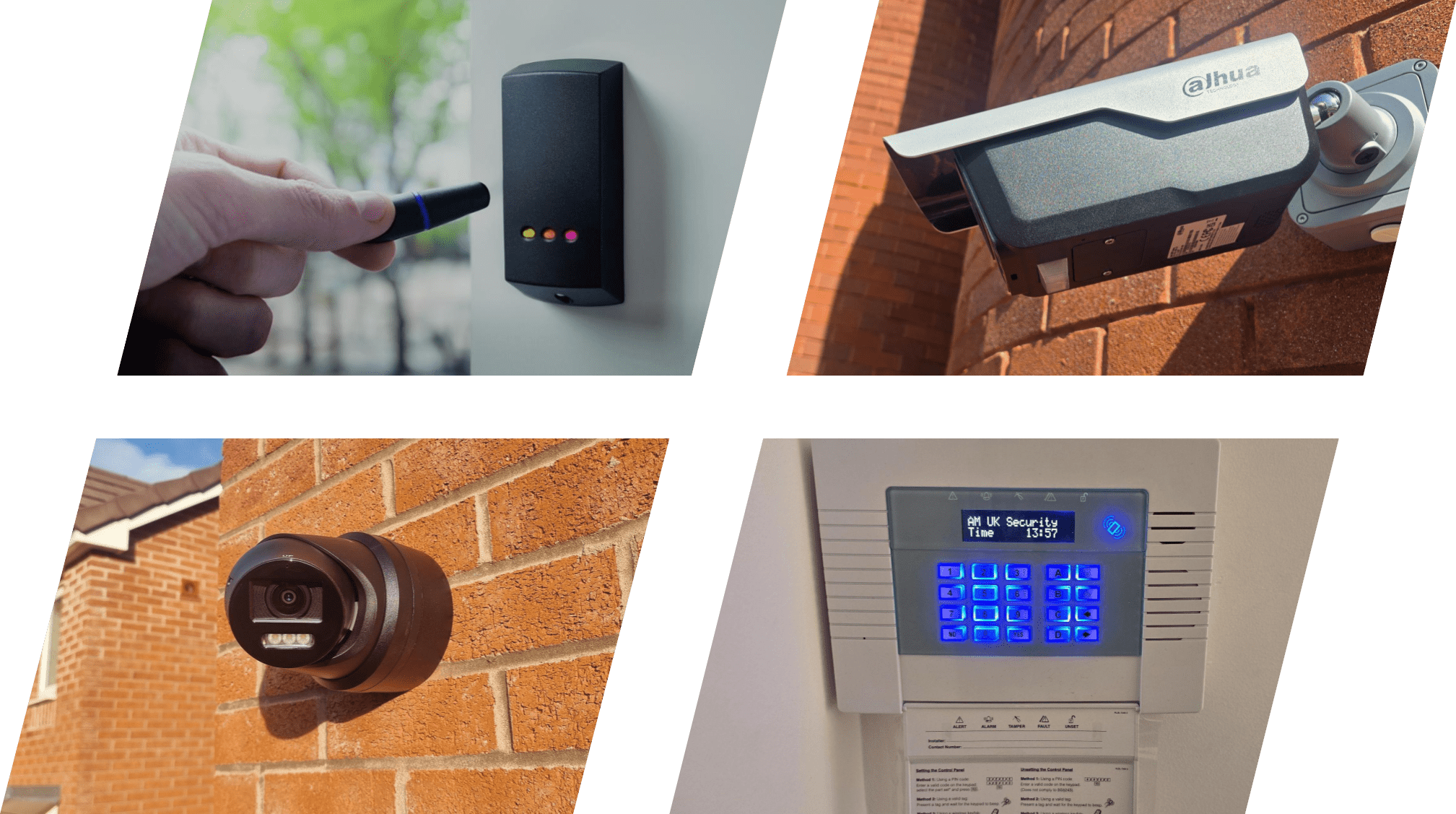
Good night vision is one of the most important features of a CCTV system. Most security incidents happen after dark, especially during winter when the nights are longer. If your cameras cannot record clear footage at night, you may miss important details or struggle to identify what happened. Understanding how night vision works will help you choose the right system and get the best results from it.
How Night Vision Works
Most CCTV systems use infrared (IR) light to capture images in low-light conditions. Infrared lighting is invisible to the human eye, but the camera can detect it and use it to form a clear black-and-white image even in complete darkness. Many cameras have built-in IR LEDs that automatically activate when light levels drop.
The Importance of Lighting
Even though infrared improves visibility, the quality of your footage still depends on lighting conditions. Strong backlighting from streetlights, car headlights, or security lights can create glare. On the other hand, areas that are very dark may require cameras with stronger IR capability.
A small amount of soft outdoor lighting often helps night vision perform at its best.
Black and White vs Colour Night Vision
Some cameras switch to black-and-white mode at night because it provides more detail in low-light conditions. However, newer systems offer full colour night vision using low-light image sensors. Colour night vision can make it easier to identify clothing, vehicles, and other important details.
For most homes, a combination of clear black-and-white IR footage and good external lighting works very well.
Where to Position Cameras for Better Night Footage
Camera placement affects night performance just as much as the camera itself. Consider positioning cameras so:
- They avoid facing bright lights directly.
- They are close enough to the area you want to monitor.
- They are sheltered from rain and condensation on the lens.
If the camera is too far away, night vision may look grainy. Placing cameras at a sensible distance helps ensure clearer footage.
When to Upgrade or Adjust Your System
If your night footage looks blurry, washed out, or too dark, it may be time to adjust your system. Cleaning the lens, improving lighting, or slightly changing the camera angle can make a noticeable difference. If your system is older, upgrading to newer cameras with stronger night vision technology can greatly improve clarity.
Conclusion
Clear night vision is essential for effective security. Whether you are protecting your home or a business, choosing cameras with strong infrared or low-light capability will help ensure your CCTV system performs well after dark. With the right setup, your cameras will provide reliable protection through the night.
If you would like guidance on choosing or improving night vision CCTV cameras, A&M UK Security can help you select and install the most effective system for your property.