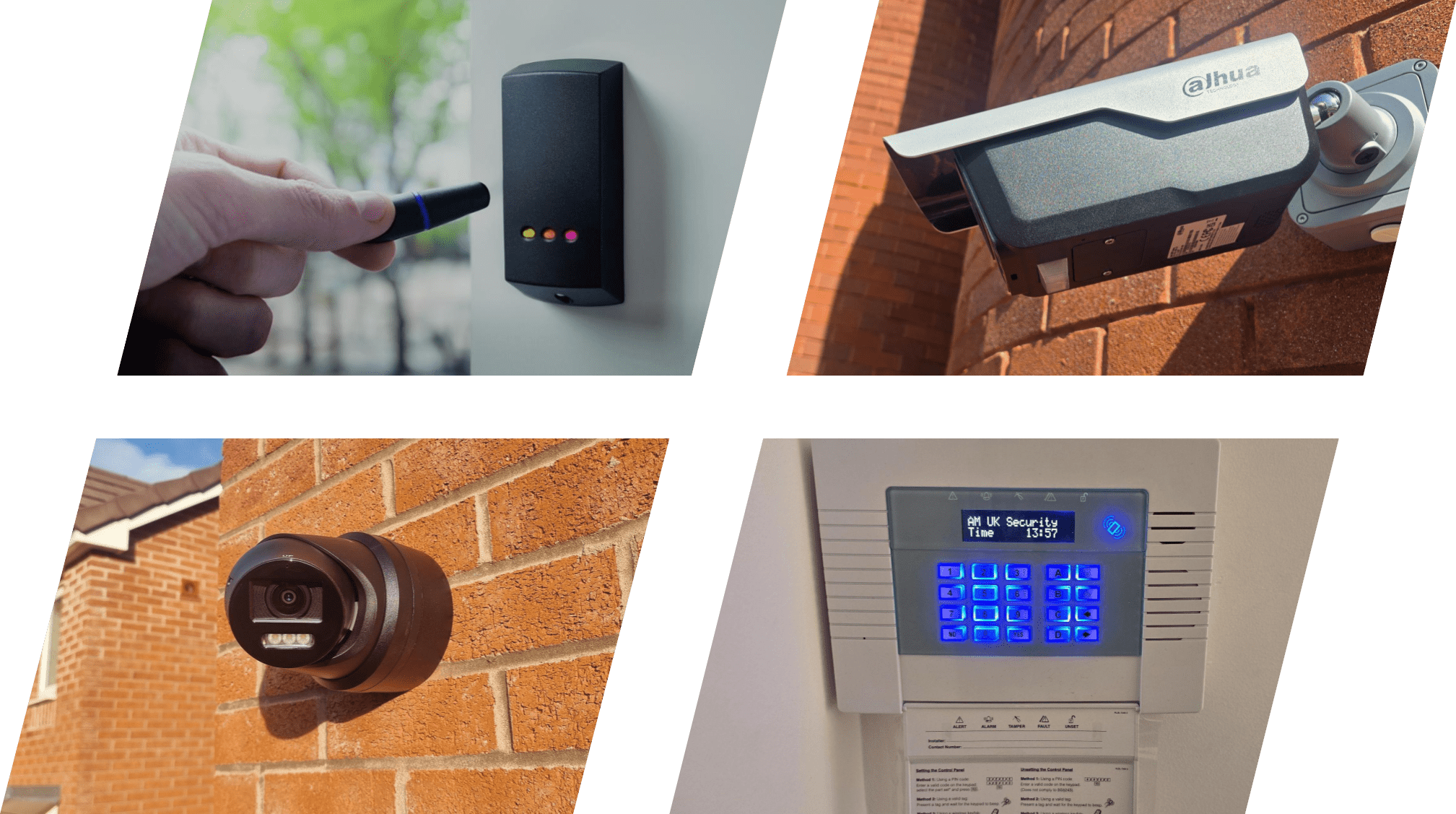
The UK is famous for its unpredictable weather, but January and February often bring the most challenging conditions for external hardware. Between heavy rain, freezing temperatures, and high-velocity winds, your CCTV system has a lot to contend with.
While modern cameras are built to be durable, they are not invincible. A small issue left unaddressed in January can become a total system failure by the time the February storms arrive.
Here is how you can ensure your security stays online when the weather takes a turn for the worse.
High Winds and Camera Drift
One of the most common issues during a storm is “camera drift.” Even if a camera is bolted securely, extreme gusts of wind can cause the mount to vibrate or shift by just a few millimetres.
This might not sound like much, but a tiny shift at the source can result in a significant blind spot ten metres away. After a particularly windy night, it is always worth checking your monitor to ensure the field of view is exactly where it should be. If you find your cameras are consistently moving, it might be time to look at more robust mounting solutions.
Dealing with Moisture and Fogging
Rain is expected, but moisture is the real enemy. If there is a hairline crack in a camera’s housing or a seal has perished over time, humidity can get inside the lens.
This often leads to “fogging,” where condensation builds up on the internal glass. This usually happens during rapid temperature changes, such as a cold morning after a rainy night. If your footage looks misty or blurred, it is a sign that the weatherproofing has been compromised. In these cases, the camera usually needs a professional service or a replacement to prevent the internal electronics from corroding.
The Problem with Winter Grime
In the winter, the air is filled with more than just rain. Salt from the roads, mud from splashing cars, and general debris can quickly coat a camera lens.
This grime is often invisible during the day, but it causes a major problem at night. CCTV cameras use Infrared (IR) lights to see in the dark. If the lens is dirty, that IR light bounces off the dust particles and reflects back into the sensor. This results in a “white-out” effect where you can see nothing but a bright glare. A quick, gentle wipe with a microfibre cloth can make a world of difference to your night-time security.
A Quick Winter Health Checklist
Before the next storm warning arrives, take ten minutes to perform these simple checks:
- Clear the Foliage: Winter gales can blow branches into your camera’s line of sight. Trim back any loose greenery that might obstruct the view or trigger false motion alerts.
- Check the Cables: Look for any exposed or sagging cables. Wind can catch loose wires, causing them to pull on the connections.
- Inspect the Brackets: Ensure there is no visible rust or wear on the mounting brackets.
- Test the Lighting: With the sun setting so early, ensure your external security lights are working in tandem with your cameras.
Professional Maintenance and Upgrades
While basic cleaning is something most homeowners can handle, internal moisture issues or loose wiring often require a professional touch. Regular servicing is the best way to ensure your system survives the winter months without a hitch.
If you are concerned that your current system is starting to show its age, or if a recent storm has knocked your cameras out of alignment, A&M UK Security is here to help. We provide professional CCTV servicing, repairs, and upgrades to ensure your property remains protected regardless of the British weather.
Contact A&M UK Security today to arrange a health check for your system or to discuss upgrading to a more weather-resistant 4K setup.