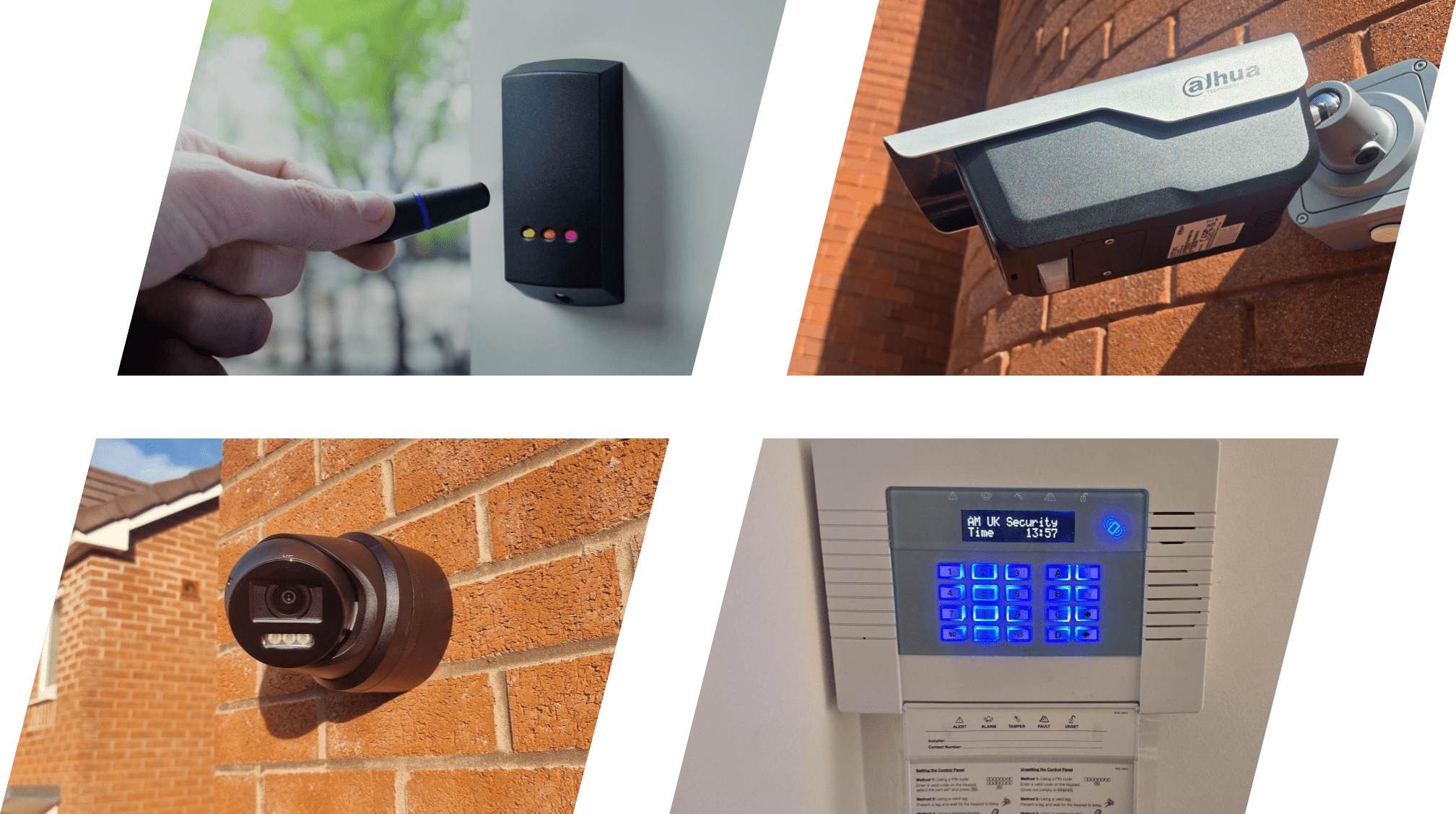
As the clocks prepare to go back and autumn transitions into winter across the UK, commercial developments, civil engineering compounds, and vacant commercial properties face an acute escalation in security risks. Shorter daylight hours, prolonged darkness, adverse weather conditions, and seasonal site shutdowns create ideal conditions for opportunistic thieves, organised plant machinery syndicates, and metal-theft gangs.
For construction project directors and commercial property asset managers, unsecured sites can lead to catastrophic project delays. Stolen plant equipment, siphoned red diesel, stripped copper cabling, and structural arson can halt works for months, trigger insurance disputes, and inflate policy premiums.
Securing temporary or empty commercial sites requires an entirely different approach from protecting an occupied office or active warehouse. Without permanent mains power, fixed telecom broadband, or complete building envelopes, site managers must rely on autonomous, rapidly deployable security infrastructure.
In this guide, we evaluate the distinct security threats facing UK building sites and empty premises during autumn and winter, detailing rapid-deployment CCTV towers, autonomous battery and solar surveillance, plant protection strategies, and insurance-compliant void property management.
1. The Autumn/Winter Threat Landscape for Unoccupied Sites
Between October and March, UK building sites and unoccupied commercial buildings experience a documented surge in criminal activity. Several seasonal factors drive this increase:
- Extended Operating Darkness: By mid-autumn, daylight fades by 16:30. Criminals gain extended hours of cover to survey compounds, breach temporary hoarding, and transport heavy equipment without attracting attention.
- Targeting High-Value Plant and Fuel: Rising fuel and raw material costs make plant machinery, mini-excavators, tool stores, and bulk red diesel storage tanks prime targets for organized criminal gangs equipped with flatbed lorries and high-flow transfer pumps.
- Metal and Cabling Stripping: First-fix electrical installations, unfinished copper pipework, and external lead flashing remain highly vulnerable to scrap-metal theft on partially built developments.
- Squatting and Anti-Social Behaviour in Vacant Units: While unauthorized residential squatting was criminalized in the UK under the Legal Aid, Sentencing and Punishment of Offenders Act 2012 (LASPO), trespassing on commercial property remains largely a civil matter. Empty industrial sheds, retail units, and office blocks are at serious risk of illegal occupation, unauthorised waste dumping (fly-tipping), and arson if left unsecured.
2. The Power & Connectivity Challenge: Securing Off-Grid Sites
One of the largest hurdles when securing developing construction sites or decommissioned vacant commercial units is the lack of reliable utilities. In many cases:
- Mains power is either not yet connected or has been intentionally isolated for safety.
- Fixed copper or fibre broadband infrastructure is nonexistent.
- Structural walls are not yet built, eliminating standard camera mounting positions.
Deploying standard domestic or office-grade security equipment in these environments is impossible. Effective autumn/winter protection requires self-powered, off-grid security architecture designed specifically for rugged outdoor conditions.
3. Rapid-Deployment Mobile CCTV Towers
For sprawling construction footprints, highway schemes, and large vacant commercial trade yards, mobile rapid-deployment CCTV towers have become the gold standard in temporary perimeter security.
How Rapid-Deployment Towers Operate:
- Telescopic Masts (Up to 6m–9m): Heavy-duty, winch-operated steel masts elevate multi-sensor cameras high above scaffolding and machinery, providing an unobstructed $360^\circ$ overview of compound perimeters, delivery aprons, and material laydown areas.
- Autonomous Hybrid Power: Premium security towers operate independently of the local grid. Combining high-efficiency solar panels, long-life lithium battery banks, and backup methanol fuel cells, these systems run continuously through dark, overcast UK winter months without requiring external generators.
- Dual-Path Cellular Transmission: Real-time video alarms and live camera feeds are transmitted securely over dual-SIM $4\text{G}$/$5\text{G}$ cellular links, ensuring constant connection to an accredited Alarm Receiving Centre (ARC).
- Active Deterrence Hardware: Equipped with high-output LED floodlights, flashing visual strobes, and high-decibel horn speakers, towers allow off-site operators to deliver live, spoken voice challenges the moment an intruder approaches perimeter hoarding.
4. Protecting Plant, Machinery, and Fuel Depots
Securing expensive machinery and bulk diesel storage requires a layered physical and digital defence across your compound:
Strategic Defense Layers:
- “Corral” Parking Formations: Park all heavy excavators, telehandlers, and dumpers in a centralized, tightly grouped cluster within direct sightline of your primary CCTV tower. Position machines with lifting arms lowered and fuel access panels turned inwards to obstruct fuel theft attempts.
- AI Thermal & Dual-Tech Perimeter Sensors: Muddy ground, wind-blown tarpaulins, and wet weather cause frequent false triggers with basic motion detectors. Specifying thermal imaging cameras or dual-technology (PIR + microwave) sensors ensures alerts are triggered only by genuine human or vehicle heat signatures.
- Fuel Tank Intrusion Alarms: Fit external diesel bowsers with telemetric fuel-cap sensors and flow monitoring that alert the central security system immediately if fuel levels drop outside authorized site working hours.
- Battery-Powered Wirefree PIR Cameras: For isolated tool containers, electrical substations, or welfare cabins where tall towers cannot reach, install rugged, battery-powered wireless PIR cameras. These self-contained units operate for months on internal batteries, snapping video clips and transmitting them over cellular networks upon motion activation.
5. Vacant Commercial Property Security: Meeting Insurer Requirements
If you manage an empty warehouse, vacated retail unit, or decommissioned office block heading into winter, securing the premises is not merely operational—it is an insurance imperative.
Most UK commercial property insurers enforce strict Unoccupied Property Conditions (UPCs). Failure to meet these criteria can lead to immediate repudiation of insurance claims following fire, vandalism, or water escape.
Key Vacant Property Compliance Standards:
- Drainage and Utility Isolation: Unless required for fire sprinkler operation or security monitoring, mains water supplies must be shut off and system pipes drained down before freezing November temperatures cause burst pipes and extensive interior flooding.
- Physical Access Point Hardening: Ground-floor windows, fire escape doors, and vulnerable loading docks must be reinforced. Specifying modular steel security doors and perforated steel window screens prevents forced entry without completely boarding up natural light for prospective buyer viewings.
- Documented Weekly Site Inspections: Insurers typically mandate a comprehensive, documented physical inspection of the property every 7 days. This must include checking all perimeter fences, boundary padlocks, roof drainage gullies, and security system logs.
- Monitored Fire and Intruder Detection: Installing temporary, battery-operated commercial alarm systems linked to an accredited $24/7$ Alarm Receiving Centre ensures keyholders and emergency services are alerted immediately to smoke, water ingress, or unauthorized entry.
6. Pre-Winter Site Lockdown Checklist
Use this practical operational checklist before the onset of sub-zero temperatures and holiday closures:
| Action Item | Frequency | Responsible Party |
| Test backup batteries and solar output on all temporary CCTV towers | Bi-weekly | Security Contractor |
| Inspect perimeter timber hoarding and Heras fencing for wind damage | Weekly | Site Manager |
| Clear autumn leaves and debris from flood drains, gutters, and bowser aprons | Weekly | Groundworks Team |
| Service and lock internal fuel shut-off valves on all plant machinery | Daily at close | Plant Operators |
| Log and audit all contractor key fobs and temporary site gate access codes | Monthly | Project Director |
| Confirm local police and emergency keyholder escalation rosters for winter | Monthly | Facilities Manager |
Secure Your Construction Site or Vacant Property with AMUK Security
Whether you manage an active housing development, a major commercial civil engineering project, or a portfolio of vacant industrial units, relying on makeshift perimeter chains or unmonitored padlocks leaves your assets exposed to severe winter theft and damage.
At AMUK Security, we supply, deploy, and maintain bespoke temporary site security solutions across Warwickshire and the West Midlands. From rapid-deployment solar/hybrid CCTV towers and wirefree container alarm systems to insurance-compliant vacant property audits, our certified engineers protect your investment in any environment.
Need autonomous, reliable security for your construction compound or empty commercial property?
Contact AMUK Security today to schedule a temporary site security audit.