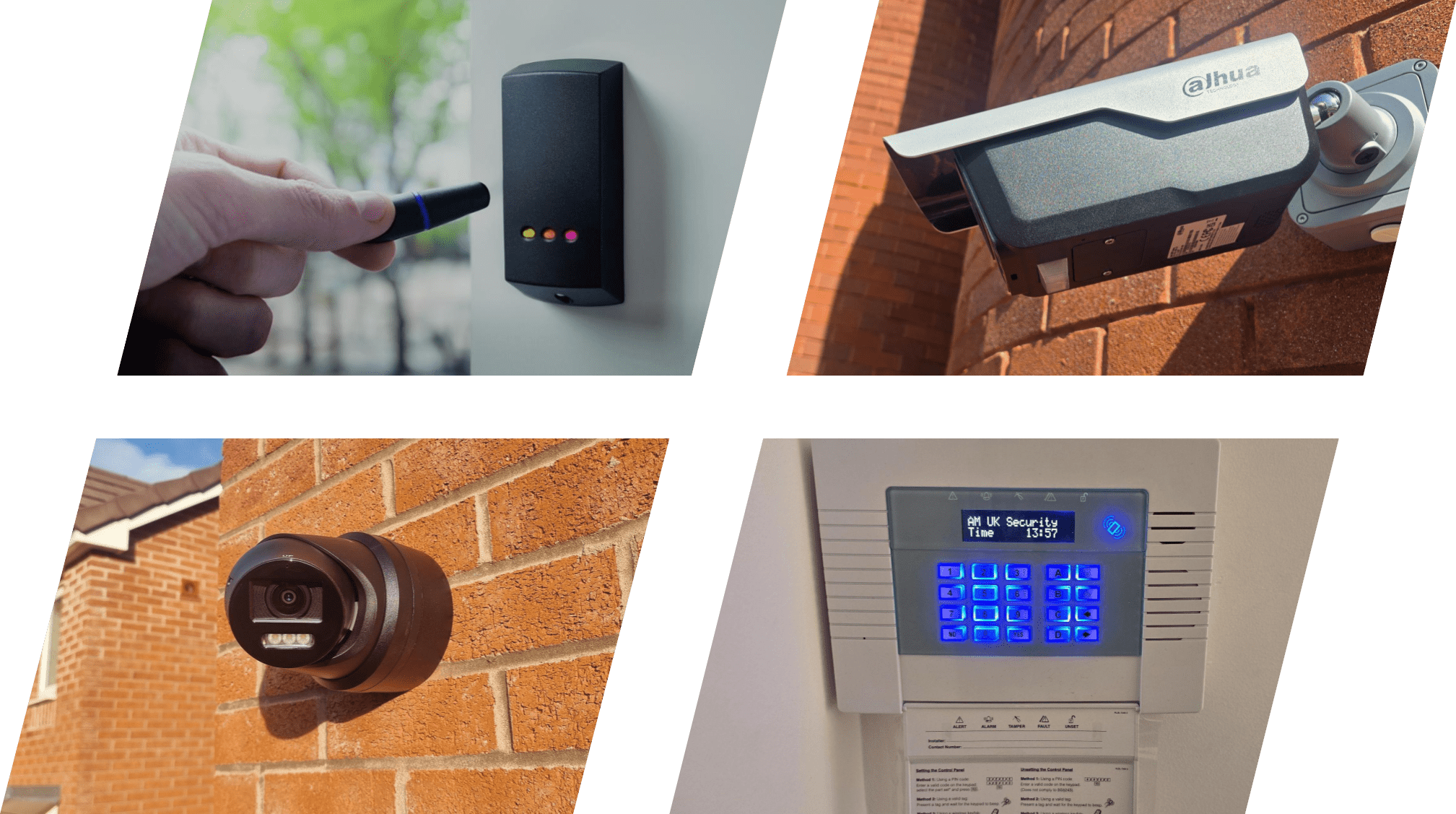
Safeguarding children, protecting staff, and maintaining secure educational environments are among the highest operational priorities for headteachers, nursery owners, and school governors across the UK. However, implementing physical security measures in nurseries, primary schools, secondary colleges, and early years settings requires navigating a sensitive intersection of statutory safeguarding duties, Department for Education (DfE) guidelines, and strict data protection laws.
While electronic access control and CCTV surveillance are essential for deterring unauthorized visitors and monitoring site perimeters, educational providers must ensure their security systems respect children’s privacy rights while maintaining compliance with UK GDPR and Information Commissioner’s Office (ICO) standards.
In this guide, we examine the legal and regulatory frameworks governing CCTV and access control installations in UK schools and nurseries, detailing best practices for visitor management, biometric consent, and compliant surveillance placement.
1. DfE Guidance and Statutory Safeguarding Duties
Physical security in UK educational settings is driven by statutory guidance, primarily the DfE’s School Security advice and Keeping Children Safe in Education (KCSIE) frameworks.
Key objectives for school security design include:
- Controlling Access Points: Preventing unannounced, non-vetted individuals from gaining access to areas where children are present.
- Emergency Lockdown Preparedness: Implementing physical barriers and access control infrastructure capable of securing doors and gates immediately during dynamic threat situations or intruder alerts.
- Proportionate Protection: Ensuring physical security measures create a safe, reassuring environment without making the educational facility feel like a high-security institution.
Integrating automated door access controls with strategic video surveillance provides effective boundary control while maintaining an inviting atmosphere for pupils and parents.
2. Access Control & Visitor Management for Nurseries and Schools
Controlling entry at external gates, reception lobbies, and nursery classroom doors is the first line of defense against unauthorized access.
Effective Access Technologies for Educational Sites:
- Audio/Video Intercoms: Positioned at primary pedestrian gates and main entrance doors, smart video intercoms allow reception staff to visually verify visitors, check identification credentials, and speak with callers before unlocking doors remotely.
- Smartcard and Key Fob Systems: Staff members use encrypted smartcards or proximity fobs to navigate throughout internal corridors and staff-only facilities. This eliminates the risk of lost physical keys falling into student or visitor hands.
- Biometric Systems & The Protection of Freedoms Act 2012: If an educational facility uses biometric data (such as fingerprint scanners for library access, cashless catering, or staff door entry), strict legal rules apply under Section 26 of the Protection of Freedoms Act 2012. Schools must obtain written consent from at least one parent/guardian before enrolling any child under the age of 18 into a biometric system, and pupils retain the right to refuse or object at any time.
- Digital Visitor Logging: Modern access control setups integrate digital visitor management kiosks at reception desks, printing temporary photo badges with auto-expiring barcodes while screening visitors against pre-approved lists.
3. Compliant CCTV Placement in Educational Environments
Surveillance cameras in schools and nurseries serve specific, documented security purposes: monitoring site perimeters, protecting outdoor play equipment, deterring vandalism, and investigating access incidents.
However, camera placement must adhere strictly to privacy boundaries:
Permissible Surveillance Zones:
- Perimeter Gates & Vehicle Entrances: Capturing clear visual records of vehicles and individuals entering or exiting school grounds.
- Main Reception Lobbies & External Pathways: Monitoring primary pedestrian routes, delivery doors, and external playgrounds.
- High-Value Equipment Rooms: Protecting IT suites, science laboratories, and administrative offices outside school hours.
Strictly Prohibited and High-Risk Zones:
- Restrooms and Changing Rooms: Installing cameras inside toilets, changing facilities, or shower areas is strictly prohibited under UK privacy law and ICO guidelines due to extreme privacy risks.
- Classroom Monitoring: Continuous video recording inside standard classrooms during teaching hours is rarely justifiable under UK GDPR unless specific, documented behavioral or security reasons exist, backed by a thorough Data Protection Impact Assessment (DPIA).
- Neighboring Properties: External cameras near boundary fences must be angled or masked digitally to avoid capturing neighboring residential gardens or private windows.
4. UK GDPR, Parental Rights, and Data Protection
Educational data controllers must process CCTV video and access logs under strict privacy guidelines:
- Data Protection Impact Assessment (DPIA): Schools and nurseries must conduct a formal DPIA prior to installing or upgrading CCTV and access control systems, documenting why the hardware is necessary, proportionate, and safe for pupils.
- Subject Access Requests (SARs): Parents and legal guardians have the right to request access to CCTV footage containing images of their children. However, schools must apply video redaction (blurring) to obscure all other pupils and third-party adults visible in the recording before releasing the file.
- Data Retention Schedules: Recorded footage should generally be retained for no longer than $30\text{ days}$, after which it must be automatically deleted or overwritten, unless retained for an active police investigation or safeguarding inquiry.
- Clear and Age-Appropriate Signage: Prominent CCTV warning signs must be posted at all estate boundaries and entrance doors, explicitly identifying the school or nursery as the Data Controller and providing contact information.
Safeguard Your Educational Facility with AMUK Security
Designing and installing physical security systems for schools, nurseries, and colleges requires certified hardware, experienced installation engineers, and complete familiarity with UK educational compliance standards.
At AMUK Security, we design, install, and service compliant commercial IP CCTV, smart access control, and video intercom networks for educational facilities across Warwickshire and the West Midlands. Our DBS-checked engineers ensure your site remains secure, compliant, and fully protected.
Looking to upgrade your school or nursery access control and CCTV infrastructure?
Contact AMUK Security today to schedule a sensitive educational security site survey.