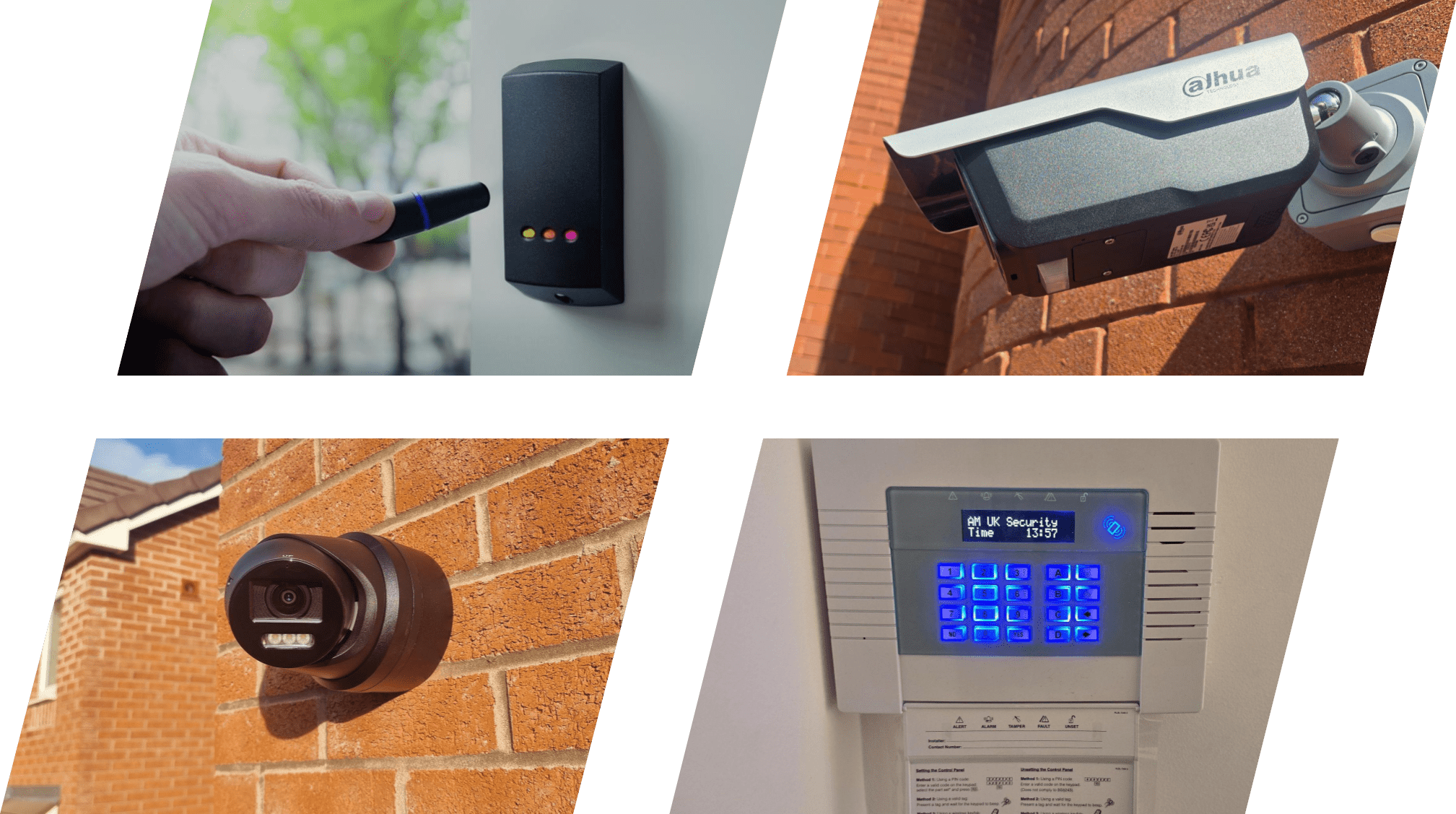
In commercial properties, business parks, industrial facilities, and educational institutions, managing physical security while upholding strict life safety standards requires delicate technical integration. Electronic access control systems—such as magnetic locks, electric strikes, and turnstiles—are designed to restrict entry and keep buildings secure. However, during a fire emergency, these same secure barriers must instantly unlock to allow immediate, unhindered evacuation.
Failing to properly integrate fire alarm systems with door access controls violates UK fire safety legislation and creates life-threatening evacuation bottlenecks. Furthermore, combining fire detection with high-definition IP CCTV video verification provides site managers and emergency services with real-time visual situational awareness.
In this guide, we explore the regulatory standards, technical mechanisms, and operational benefits of integrating commercial fire alarm systems with automatic door release mechanisms and IP video surveillance in the UK.
1. Compliance with British Standards: BS 7273-4 and BS 5839-1
In the UK, connecting fire detection hardware to electronic access control systems is strictly regulated by British Standards to ensure occupant safety during an emergency evacuation:
- BS 5839-1: The code of practice for system design, installation, commissioning, and maintenance of fire detection and fire alarm systems in non-domestic premises.
- BS 7273-4: The definitive code of practice governing the actuation of release mechanisms for doors. It specifies exactly how electronic door locks, holding magnets, and sliding doors must behave when a fire alarm triggers or when system power fails.
Under BS 7273-4, magnetic door locks and powered door operators must operate in a “Fail-Safe” (Fail-Unlocked) state. In the event of a fire alarm activation, power outage, or system fault, electric current to door magnets must be automatically cut, ensuring all emergency exit routes and perimeter doors unlock instantly.
2. Technical Integration: How Automatic Door Release Works
Achieving a compliant fail-safe setup requires physical hardwired interfaces between the central Fire Alarm Control Panel (FACP) and the Access Control Door Controllers.
Key Integration Components:
- FACP Fire Relay Contacts: The fire alarm control panel contains voltage-free changeover relays that switch state immediately when a smoke detector, heat sensor, or manual call point is activated.
- Power Cut-Off (Maglock Isolation): The fire relay is wired in series with the power supply units (PSUs) feeding the door locks. When the alarm trips, power to all magnetic locks is cut instantly, allowing doors to be pushed open freely.
- Green Break-Glass Emergency Release Units: To satisfy UK safety regulations, every electronically locked door along an evacuation route must also feature an independent, green manual break-glass exit button on the secure side. This provides a direct, mechanical override to cut power to the lock even if the central access control software or network fails.
- Turnstiles and Automatic Gates: Main lobby turnstiles, speed gates, and vehicle barriers must drop their arms automatically or swing open in the direction of escape upon receiving a fire alarm signal.
3. Real-Time Roll Call and Automated Muster Reporting
Beyond unlocking physical doors, integrating access control software with the fire alarm system delivers vital life-safety data during an emergency evacuation:
- Automated Electronic Roll Call: Modern IP access control platforms track keycard swipes in real time. When a fire alarm sounds, the system automatically generates an instant “Evacuation / Muster Report” showing exactly who is swiped into the building.
- Mobile Muster Apps: Site managers and designated fire wardens can access live roll-call lists on mobile devices or tablets at external assembly points, marking off staff, contractors, and registered visitors as they reach safety.
- First Responder Coordination: Having an immediate, accurate digital record of missing personnel allows attending Fire and Rescue Service teams to target search-and-rescue efforts far more effectively.
4. CCTV Visual Verification for Fire Incidents
Integrating IP video surveillance with fire detection hardware transforms how facilities management teams respond to alarm activations.
Benefits of CCTV Fire Verification:
- Instant Camera Pop-Ups: When a specific fire zone or smoke detector trips, the integrated security management software automatically brings up live, high-definition camera feeds from that exact location on security monitoring screens.
- Differentiating Real Fires from False Alarms: Security operators can visually inspect the zone within seconds to determine whether smoke or flames are present, preventing costly, business-disrupting false alarms caused by steam, dust, or contractor work.
- Monitoring Evacuation Paths and Muster Points: Dedicated wide-angle cameras positioned across emergency stairwells, exit doors, and external assembly areas allow safety managers to monitor crowd flow, identify blockages, and ensure safe assembly.
- Post-Incident Forensic Review: Timestamped video footage aligned with fire panel event logs provides valuable diagnostic evidence during official post-incident investigations and safety audits.
5. Routine Testing, Maintenance, and Safety Inspections
Integrating fire alarms, access control, and CCTV systems requires ongoing preventative testing to ensure legal compliance and operational readiness:
- Weekly Fire Alarm Tests: During weekly call-point testing, site managers should physically verify that sample electronic doors along the test zone drop power and release as expected.
- Annual BS 7273-4 Audits: A certified security and fire safety engineer must audit door release times, battery backup health, and fail-safe wiring protocols annually.
- Battery Backup (UPS) Verification: Uninterruptible Power Supply (UPS) batteries within access control power units must be load-tested regularly to ensure doors fail unlocked safely during catastrophic mains power failures.
Protect Your Building and Occupants with AMUK Security
Ensuring your premises meet strict UK fire evacuation laws while maintaining high physical security requires certified, experienced installation engineers. Unifying your fire alarms, automatic door release systems, and IP CCTV delivers seamless emergency compliance and total peace of mind.
At AMUK Security, we design, supply, install, and service integrated commercial access control, video surveillance, and life-safety integration setups across Warwickshire and the West Midlands. Our certified engineers configure compliant hardware tailored to your building’s exact operational requirements.
Looking to inspect, upgrade, or integrate your fire alarm and door access control infrastructure?
Contact AMUK Security today to schedule an integrated safety and security site survey.