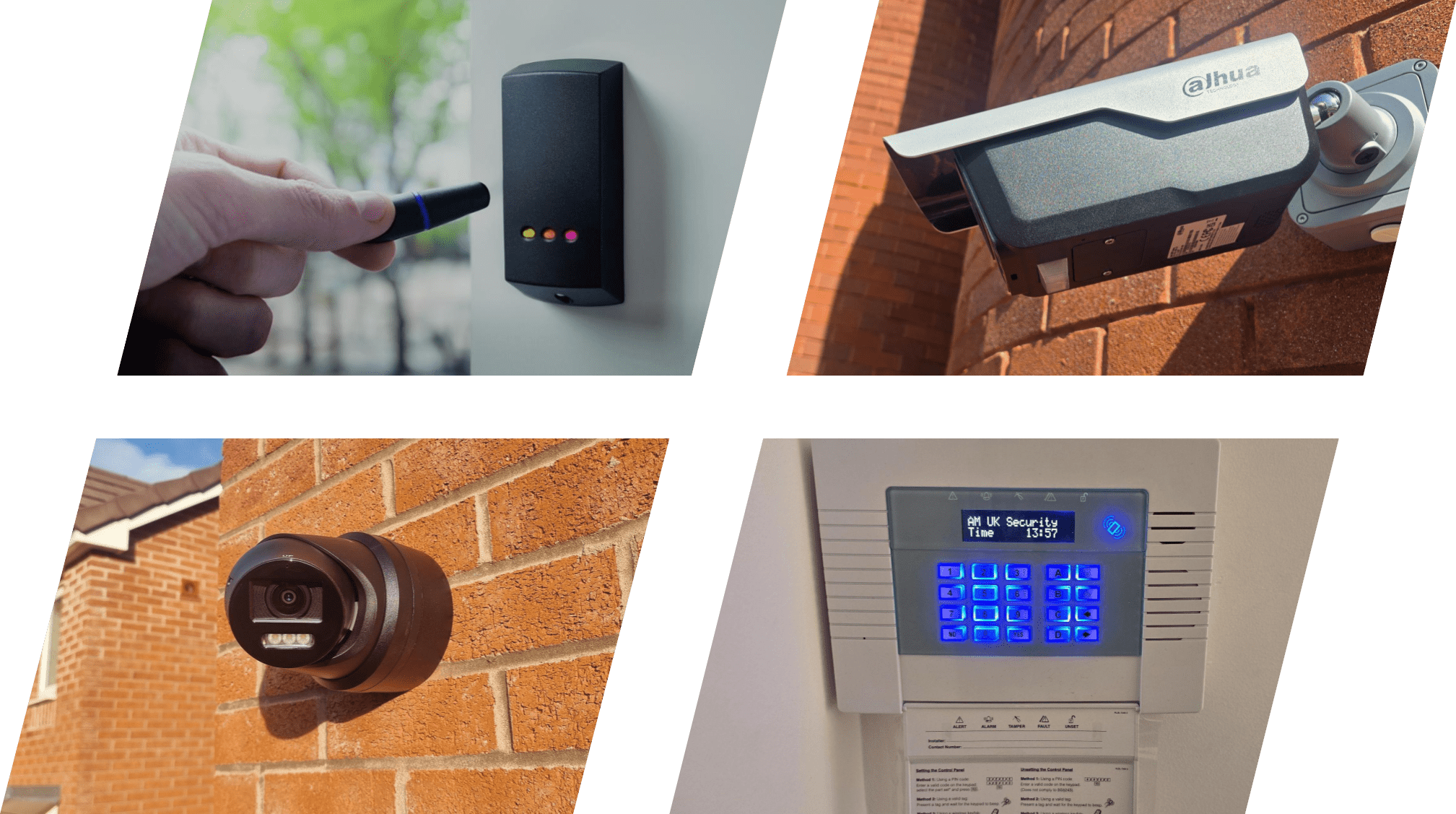
Installing a high-quality CCTV system is a significant step toward protecting your business. However, once the cameras are live, your responsibilities change. In the UK, the use of surveillance is governed by strict data protection laws, including GDPR and the Data Protection Act 2018.
One of the most visible and vital parts of staying legal is your signage. Without the correct signs in place, your footage may be inadmissible in court, and your business could face significant fines from the Information Commissioner’s Office (ICO).
Here is what you need to know to ensure your CCTV signage is fully compliant.
Why is Signage Required?
The core principle of UK data protection law is transparency. People have a right to know when they are being recorded. Clear signage ensures that anyone entering your property is aware of the surveillance, which serves two main purposes:
- Legal Compliance: It meets the “fair processing” requirements of GDPR.
- Increased Deterrence: A clearly marked camera system is a much stronger deterrent to potential criminals than a hidden one.
What Must Your Sign be Like?
It is not enough to simply have a small sticker in a window. For your signage to be considered compliant, it must meet several specific criteria:
- Vibrancy and Visibility: The signs must be placed in areas where people can see them before they enter the monitored zone. They should be clear, easy to read, and unobstructed by foliage or other shop displays.
- The Right Size: A tiny sign in a large warehouse is not sufficient. The size of the sign should be proportionate to the setting.
- Weatherproof: Faded or peeling signs suggest a lack of maintenance and may no longer be considered “readable” under the law.
What Information Needs to be Included?
A compliant CCTV sign needs to do more than just show a picture of a camera. To meet ICO standards, your signs should include:
- The Purpose: A brief statement explaining why you are using CCTV (e.g., “For the purposes of public safety and crime prevention”).
- The Data Controller: This is the name of the individual or the organisation responsible for the system. This is usually your business name.
- Contact Details: You must provide a way for people to contact the data controller if they wish to exercise their right to access the footage (a “Subject Access Request”). This is typically a phone number or a website address.
Signage for Residential Properties
While the rules for homeowners are generally less strict than those for businesses, signage is still highly recommended. If your home cameras capture any area outside your property boundary—such as a shared pavement or a neighbour’s driveway—you are legally considered a “data controller” and must comply with GDPR.
Installing a clear sign at your gate or front door not only keeps you on the right side of the law but also helps prevent disputes with neighbours by being transparent about your security measures.
Where Should You Place Your Signs?
Strategic placement is key to both legality and security. We recommend placing signs at:
- All main entrance points to the property.
- Near the cameras themselves.
- In areas where people might congregate, such as waiting rooms or checkout counters.
A Professional Setup
Compliance can feel like a minefield, but it doesn’t have to be. When we install a system at A&M UK Security, we don’t just focus on the technology; we ensure the entire setup meets the necessary legal standards. We can provide guidance on the correct wording and placement for your signage, giving you total peace of mind that your business is protected legally as well as physically.
If you are concerned that your current signage is out of date or if you need advice on GDPR compliance for a new installation, our team is here to help.
Contact A&M UK Security today to ensure your surveillance system is professional, effective, and fully compliant with UK law.