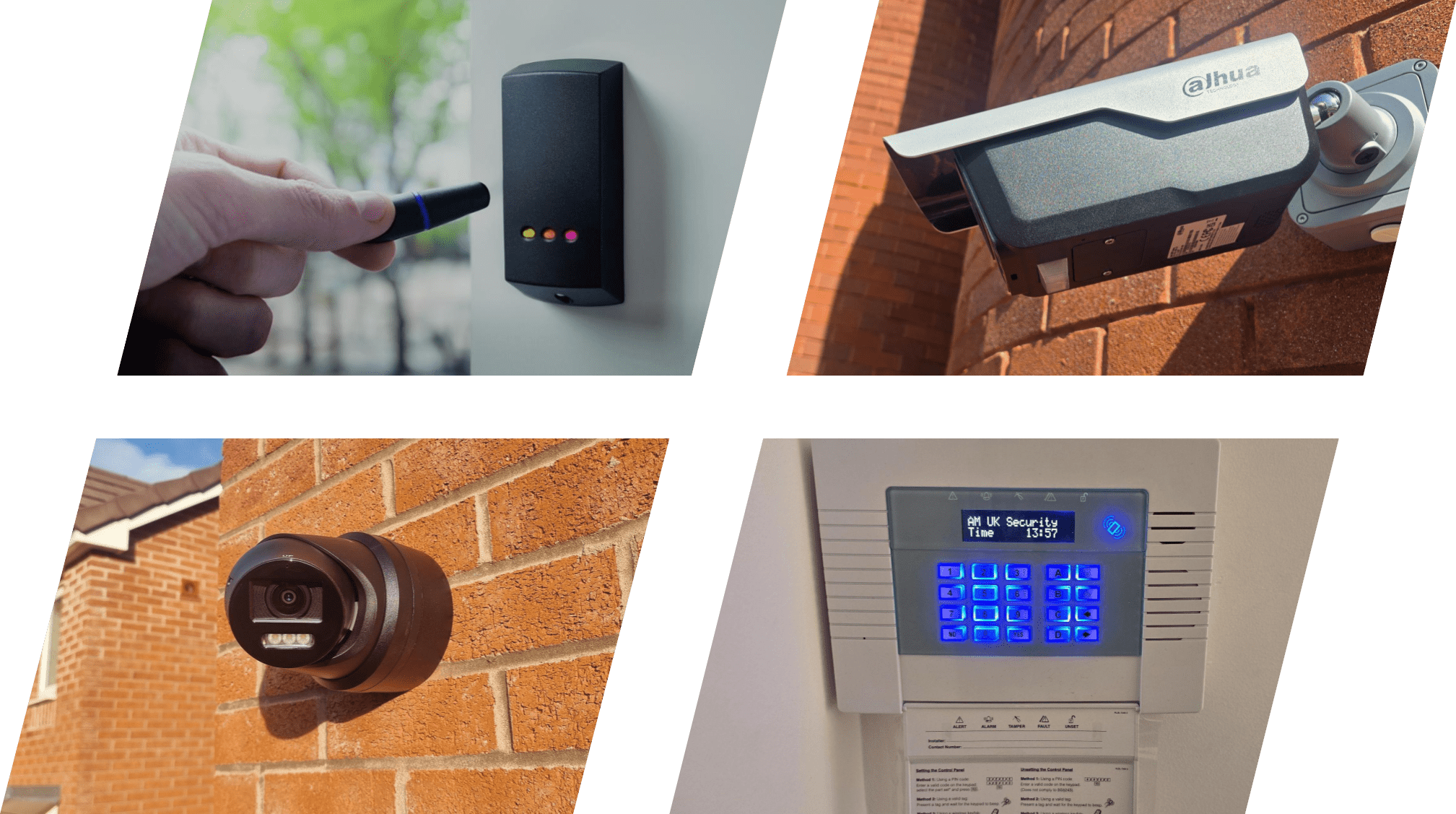
Managing physical security in multi-occupant environments—such as commercial business parks, retail complexes, industrial trade parks, and shared logistics centers—requires balancing broad site surveillance with complex data protection boundaries. Unlike a standalone facility managed by a single occupant, shared commercial sites involve multiple stakeholders: site freeholders, commercial property management companies, individual corporate tenants, and external security contractors.
When video surveillance covers shared zones like communal car parks, service yards, delivery corridors, and estate entrance gates, questions inevitably arise regarding legal liability, data ownership, and compliance with the UK General Data Protection Regulation (UK GDPR).
In this guide, we evaluate the legal and operational frameworks for CCTV management in shared commercial parks, detailing data controller responsibilities, shared network infrastructure, and how to maintain ICO compliance across multi-tenant environments.
1. The Complex Legal Matrix of Shared Commercial CCTV
In a shared commercial development, different areas of the site fall under different management jurisdictions. Determining who is legally responsible for CCTV operation depends on where cameras are installed and who controls the recorded data:
- Landlord / Managing Agent Authority: Property managers or estate freeholders typically act as the Data Controller for common grounds, external perimeters, multi-story car parks, service roads, and shared building lobbies.
- Tenant Specific Authority: Individual tenant businesses act as the Data Controller for internal leased premises, dedicated trade counters, and private staff entrances.
- Joint Controllership: When landlords and major retail or commercial tenants share direct live feeds or co-fund perimeter ANPR (Automatic Number Plate Recognition) gates, they may be classified under UK GDPR as Joint Data Controllers. This requires a formal written Data Sharing Agreement defining specific roles, storage obligations, and subject access request workflows.
Without clear legal agreements, shared surveillance setups risk severe regulatory penalties from the Information Commissioner’s Office (ICO) if data breaches or unlawful disclosures occur.
2. Managing Shared Perimeters, Car Parks, and Service Yards
Communal external zones are prime targets for anti-social behavior, vehicle theft, fly-tipping, and unauthorized overnight parking. However, monitoring shared areas requires strict adherence to privacy rules.
Key Guidelines for Communal CCTV:
- Targeted Camera Angles: External cameras installed by property management must focus strictly on shared estate roads, walkways, and parking bays. Lenses should never be directed into the interior windows or private office suites of tenant properties without explicit consent.
- ANPR Integration for Estate Barriers: Automatic Number Plate Recognition (ANPR) cameras positioned at estate entrance gates streamline access for staff and registered delivery drivers. However, vehicle registration numbers are classified as personal data. Access to vehicle movement logs must be restricted strictly to authorized estate managers.
- Public View Displays in Retail Complexes: In shared retail parks, overhead public view monitors (PVMs) placed near main pedestrian entrances serve as active visual deterrents, signaling immediately that the estate is actively monitored.
3. Handling Subject Access Requests (SARs) and Police Disclosures
In shared commercial environments, incident investigations frequently cross organizational boundaries. For instance, a delivery vehicle collision or theft in a shared loading bay may prompt requests for footage from individual tenants, insurance adjusters, or members of the public.
Disclosing Footage to Tenants and Third Parties
A common misconception among commercial tenants is that they have an automatic right to demand raw CCTV footage from the estate’s central management system. Because communal footage contains personal data of other tenants, shoppers, and passing vehicles, property managers cannot simply hand over raw video files.
- Police Requests: Footage requested by law enforcement (e.g., under Schedule 2 exemptions of the Data Protection Act 2018) can be provided directly to investigating officers via secure, encrypted file transfers.
- Civil Disputes & Insurance Claims: If a tenant requests footage following a vehicle collision or property damage in a shared car park, property managers must either obtain written consent from all identifiable third parties in the video or utilize specialized video redaction software to blur uninvolved faces and license plates before release.
- Subject Access Requests (SARs): Requests submitted by members of the public must be handled by the designated Data Controller within the statutory 30-day window.
4. Best Practices for Establishing a Compliant Shared Security Policy
To protect both property management companies and commercial tenants from operational friction and regulatory fines, every shared commercial park should establish a standardized security protocol:
- Standardized Estate Signage: Install clear, prominent CCTV signage at every vehicular entrance and pedestrian gateway. Signs must identify the main Data Controller (e.g., “Managed by Apex Property Management Ltd”), state the purpose of recording, and provide direct contact details.
- Formal Data Sharing Agreements (DSAs): Where video feeds or ANPR data are shared between property management and anchor tenants, formal DSAs must specify retention periods (typically $30\text{ days}$), access credentials, and technical security standards.
- Segmented IP Network Infrastructure: When deploying a central IP CCTV network across a large business park, cameras should be segmented using Virtual Local Area Networks (VLANs). This ensures individual tenants can access their specific feeds while strictly preventing unauthorized access to the broader estate security network.
- Routine Compliance Audits: Conduct annual reviews of camera alignments, data retention settings, and user access privileges to ensure departing tenant staff or contract security personnel lose access credentials immediately.
Unify Your Shared Commercial Security with AMUK Security
Managing surveillance across multi-tenant commercial parks and retail complexes requires high-performance IP hardware, robust network infrastructure, and clear legal compliance. Upgrading your shared security network ensures seamless operational oversight while shielding your business from ICO liability.
At AMUK Security, we design, install, and support commercial CCTV, access control, and smart perimeter systems for business parks, retail complexes, and industrial estates across Warwickshire and the West Midlands. Our certified engineers configure compliant multi-tenant networks tailored to your site’s operational needs.
Looking to streamline CCTV management or upgrade security across a shared commercial property?
Contact AMUK Security today to schedule a commercial compliance and site survey.