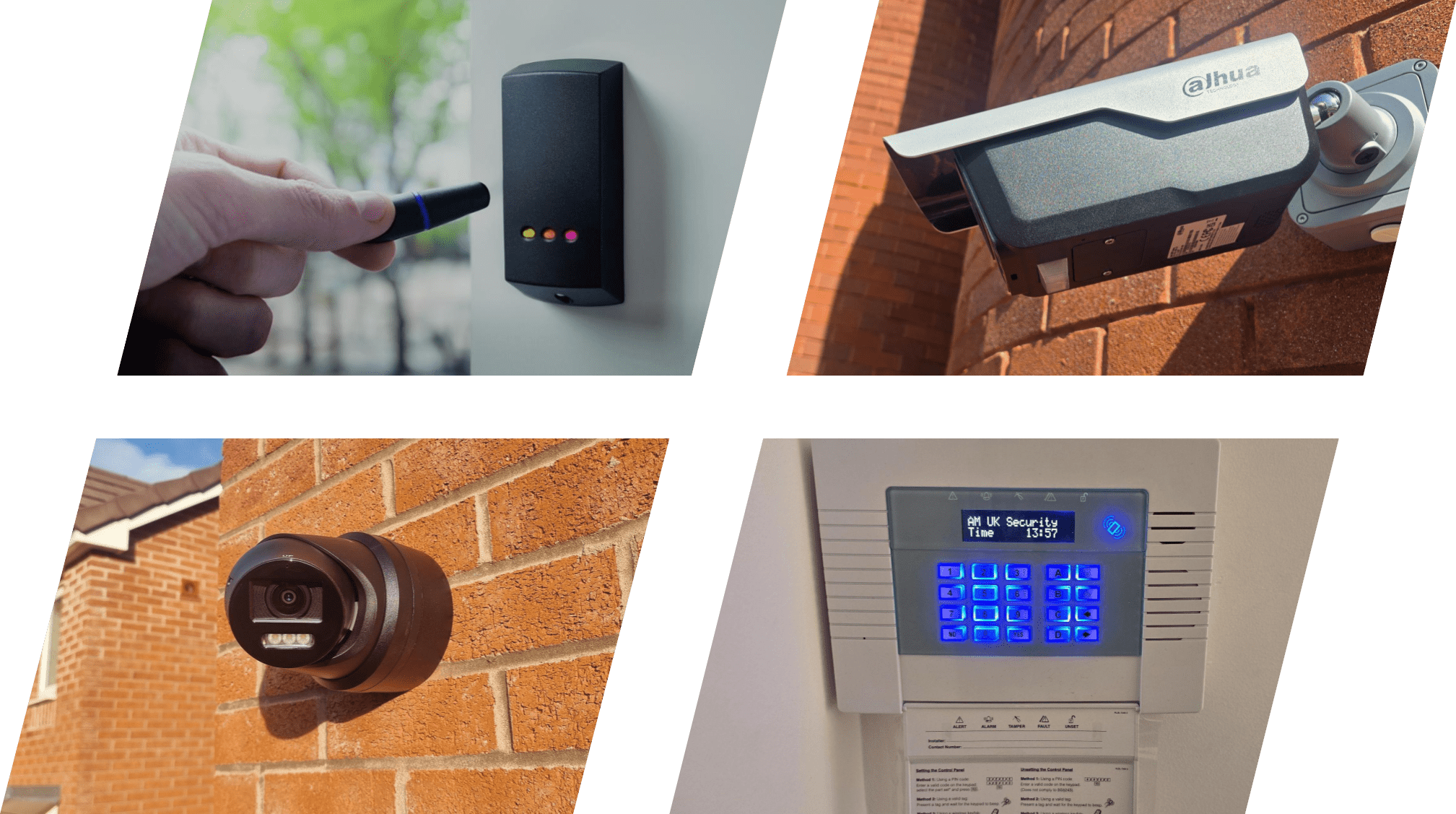
When business owners and facility managers invest in modern IP security systems, they are often surprised to learn that many commercial security cameras come equipped with built-in, highly sensitive microphones. While audio recording might seem like a helpful feature for capturing context during security incidents, enabling continuous audio recording on commercial premises is one of the quickest ways to breach UK data protection law.
Under the UK General Data Protection Regulation (UK GDPR), the Data Protection Act 2018, and guidelines enforced by the Information Commissioner’s Office (ICO), audio recording is treated far more strictly than video surveillance.
In this guide, we examine the legal boundaries surrounding audio recording on commercial CCTV, the strict thresholds required for its use, and how UK business owners can ensure their surveillance setups remain fully compliant.
1. Why the ICO Treats Audio Differently from Video
Video surveillance captures visual movement in designated areas, allowing businesses to secure property and monitor safety. Audio recording, however, captures spoken conversations—including private discussions, personal details, trade secrets, and workplace interactions.
The ICO considers continuous audio recording to be highly intrusive and rarely justifiable in a workplace or public setting.
Under UK GDPR, data collection must be necessary, proportionate, and limited to what is essential for the specified security purpose. Because visual footage is almost always sufficient to deter crime, identify intruders, and secure premises, capturing ambient sound is usually deemed excessive.
2. When IS Audio Recording Permitted on Commercial CCTV?
Continuous background audio recording is almost universally illegal on commercial premises in the UK. However, there are very specific, exceptional circumstances where targeted audio capture may be legally defensible:
Triggered Panic Buttons and High-Risk Incident Responses
Audio recording may be permitted if it is event-triggered rather than continuous. For example, if a lone worker or reception staff member presses an emergency panic button during an active robbery or physical threat, short-term audio stream activation can assist emergency response teams and provide critical legal evidence.
High-Risk Transaction Zones with Strict Protocols
In specific high-risk environments—such as bank teller counters, betting shops, or police custody suites—audio recording may be justified to resolve severe dispute allegations or protect staff safety. Even in these settings, a thorough assessment must prove that visual-only recording is inadequate.
Taxicabs and Transport (Under Specific Local Authority Rules)
Some local licensing authorities permit panic-activated audio in licensed taxis and private hire vehicles to protect drivers and passengers from violent assaults, provided clear warning signs and strict privacy controls are in place.
3. The Legal Risks of Unlawful Audio Recording
Operating CCTV with active, unnotified audio recording carries severe regulatory, legal, and operational consequences for UK businesses:
- Substantial ICO Fines: The ICO can issue heavy financial penalties to organisations processing personal data unlawfully without a valid legal basis or proper transparency.
- Inadmissible Evidence: Audio captured in breach of privacy laws may be ruled inadmissible in legal proceedings, employment tribunals, or insurance claims.
- Employee Grievances and Loss of Trust: Recording staff conversations without explicit, lawful justification damages workplace culture and can result in formal grievances or constructive dismissal claims.
- Regulatory Audit Failure: During a data protection audit or Subject Access Request (SAR), unredacted audio files containing third-party conversations create massive compliance liabilities.
4. Best Practices for Commercial CCTV Compliance
If your commercial property uses cameras with built-in audio capabilities, follow these steps to maintain strict compliance:
- Disable Microphones by Default: Ensure audio inputs are turned off in the camera software and NVR settings unless a specific, documented legal exemption applies.
- Conduct a Data Protection Impact Assessment (DPIA): If you intend to use audio recording in any capacity, you must complete a DPIA proving that the necessity outweighs the privacy impact on individuals.
- Update Signage Explicitly: Standard CCTV signs state that video is recorded for security. If audio is active, signs must explicitly state: “CCTV and Audio Recording in Operation.”
- Restrict Access and Retention: Any permitted audio recordings must be encrypted, access-restricted to authorised security personnel, and deleted in line with your standard retention policy (typically 30 days).
Ensure Your CCTV Setup Meets UK Legal Standards
Balancing site security with privacy compliance requires expert hardware configuration and an understanding of UK data protection regulations.
At AMUK Security, we design and install commercial CCTV systems that give business owners total protection while ensuring full compliance with ICO standards right out of the box.
Unsure if your current commercial CCTV configuration is legally compliant?
Contact AMUK Security today to book a comprehensive commercial security audit.