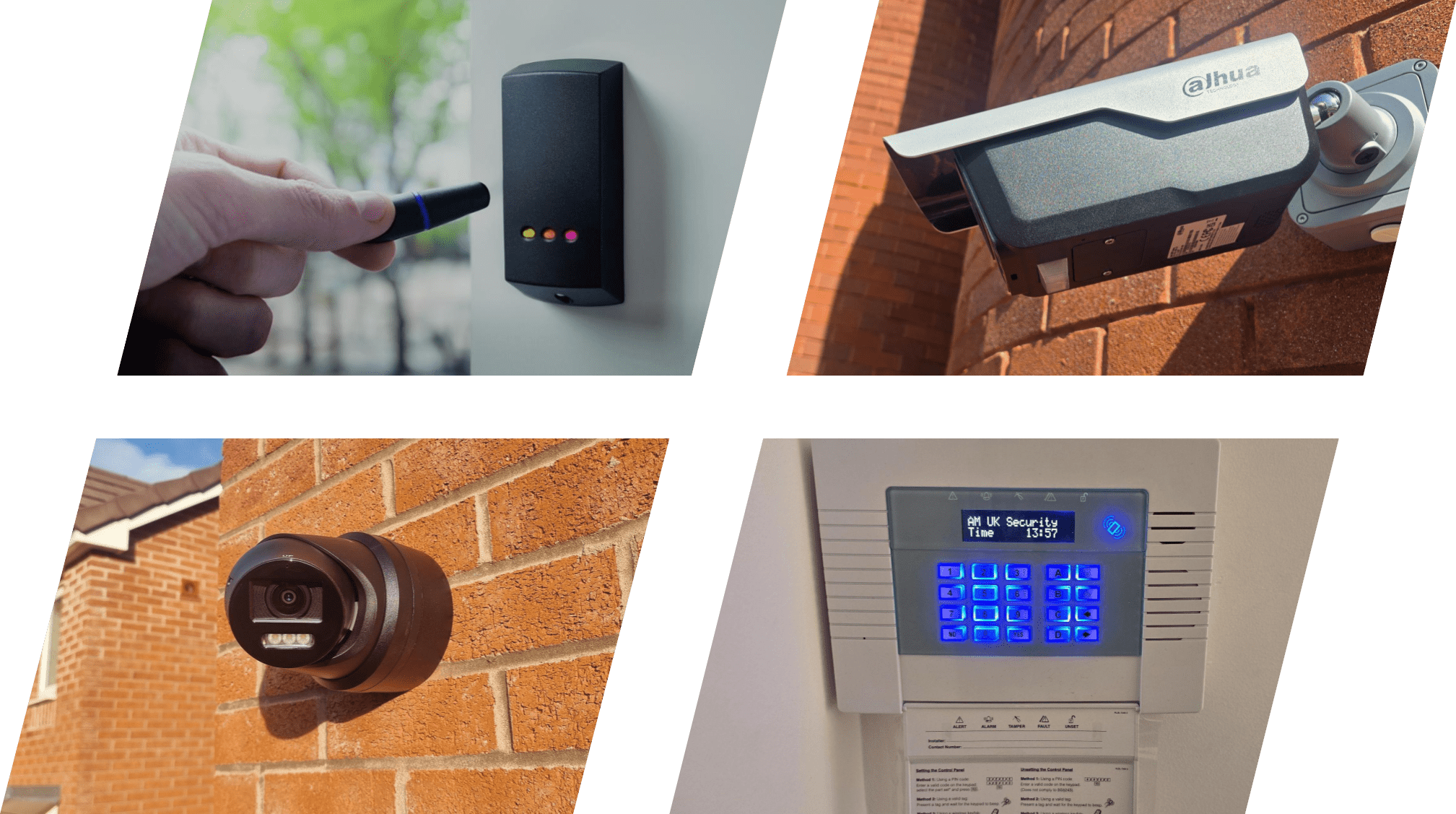
If you have had your CCTV system for more than five or six years, there is a high chance it is running on “analogue” technology. While these systems were the gold standard for decades, the world of surveillance has moved into the digital age.
The transition from Analogue to IP (Internet Protocol) is similar to the jump from old bulky televisions to modern 4K smart TVs. The difference in quality, reliability, and functionality is night and day.
Here is why it might be time to trade in your old coax cables for a modern IP system.
Resolution and Detail
The most immediate difference between the two systems is the image quality. Analogue systems are limited by the physical capacity of the cables, often topping out at a resolution that looks grainy and “noisy,” especially in low light.
IP cameras, however, transmit digital data. This allows for incredibly high resolutions, including 4K Ultra HD. As we have discussed in previous posts, high resolution isn’t just about a “prettier” picture; it is about being able to zoom in on a face or a number plate ten metres away and still have clear, usable evidence.
Power over Ethernet (PoE) Simplicity
Old analogue systems require two separate cables for every camera: one for the video signal and one for power. This often leads to a “spaghetti” of wires behind your recording unit.
Modern IP systems use PoE (Power over Ethernet). This means a single, thin cable provides both the high-speed data connection and the power for the camera. This makes for a much cleaner installation, fewer potential failure points, and a more robust connection that is less susceptible to interference from other electrical devices in your home or business.
Intelligence at the Edge
Analogue cameras are “dumb” devices; they simply capture light and send it down a wire. All the “thinking” has to happen at the DVR (Digital Video Recorder).
IP cameras are essentially small computers. They have “intelligence at the edge,” meaning the camera itself can process the image. This allows for advanced features like:
- Line Crossing: Triggering an alert only if someone crosses a specific boundary.
- Intrusion Detection: Identifying a human shape versus a swaying tree.
- Face Detection: Automatically flagging when a person enters the frame.
Scalability and Future-Proofing
If you want to add an extra camera to an analogue system, you usually have to run a brand-new cable all the way back to the DVR. With IP systems, you have much more flexibility. You can use “network switches” to expand your system easily, making it far simpler to add cameras to outbuildings or distant corners of your property.
Furthermore, IP technology is the industry standard. By upgrading now, you ensure that your system will be compatible with new software updates and smart home integrations for years to come.
Remote Access That Actually Works
While some analogue DVRs offer remote viewing, the experience is often slow and the video quality is severely compressed. Because IP systems are built for the internet, the remote viewing experience on your smartphone is seamless. You can view 4K live streams and high-speed playbacks from anywhere in the world without the lag associated with older technology.
Making the Switch
At A&M UK Security, we specialise in system “takeovers” and upgrades. In many cases, we can use your existing infrastructure to help transition you to a modern IP setup, or we can design a completely new digital ecosystem from the ground up.
If you find yourself squinting at your monitor or frustrated by a lack of detail in your footage, it is time to see what a modern IP system can do.
Contact A&M UK Security today to discuss an upgrade plan and bring your property’s security into the 2026.