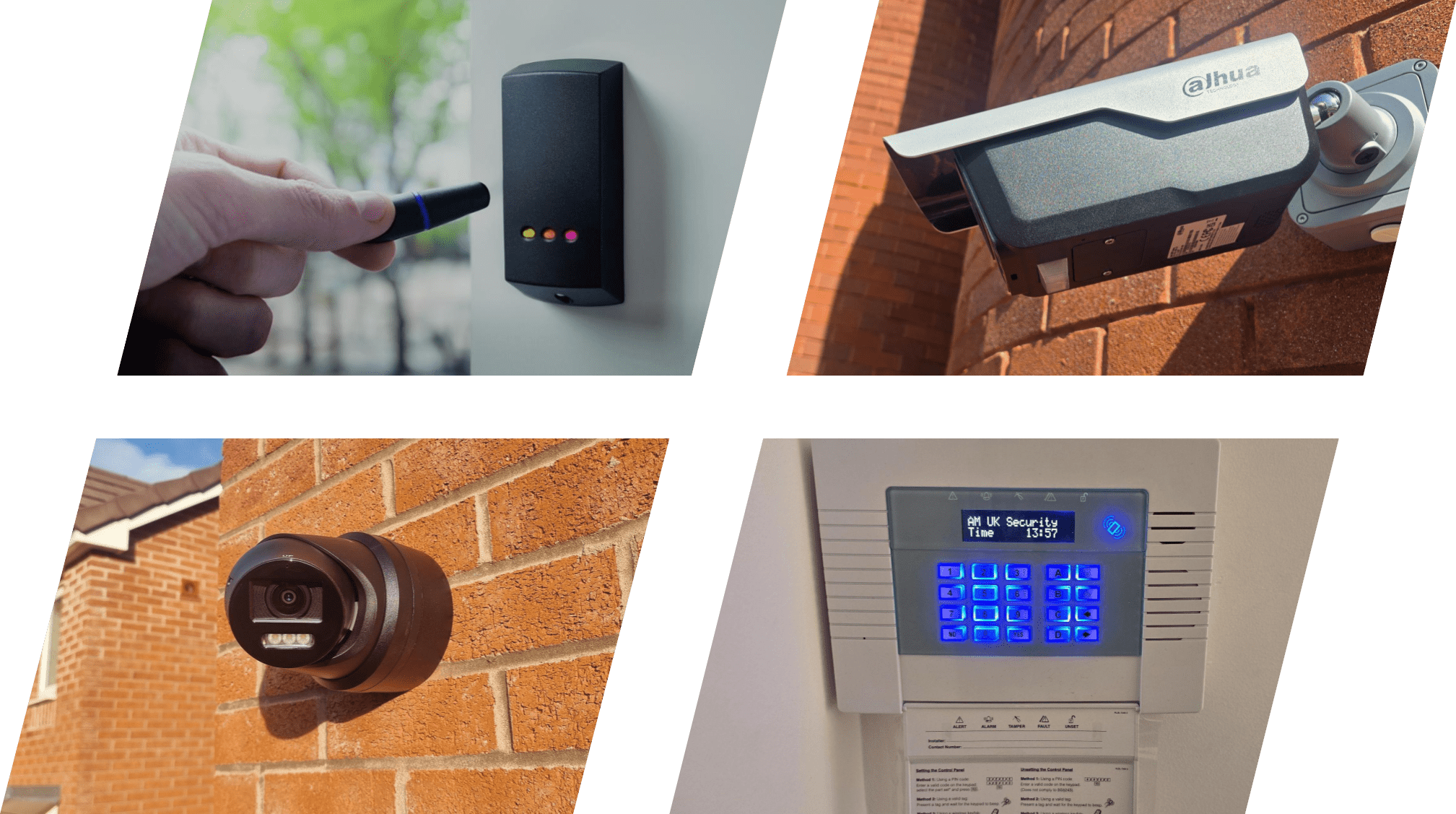
A commercial CCTV system is a vital line of defence for protecting your business premises, staff, and valuable assets. However, simply installing high-definition cameras is not enough to guarantee round-the-clock protection. Without regular servicing and preventative care, camera lenses accumulate grime, power supplies degrade, and hard drives can silently fail—leaving you without crucial footage precisely when a security incident occurs.
In this guide, we provide a comprehensive CCTV maintenance checklist for UK business owners, facility managers, and site administrators. By following these essential maintenance steps, you can prevent system failures, ensure crystal-clear video evidence, and extend the operating lifespan of your commercial security setup.
1. Visual Inspections and Physical Hardware Checks
Physical hardware is constantly exposed to environmental elements, structural vibrations, and potential tampering. Routine visual inspections help catch physical wear before it leads to total system failure.
- Camera Lens & Glass Cleaning: Exterior cameras inevitably gather dust, spider webs, water spots, and atmospheric pollution. Clean optical glass using a soft, lint-free microfibre cloth and approved lens cleaner to prevent washed-out or hazy footage.
- Enclosure Seals & Weatherproofing: Inspect weather-sealed camera housings (rated IP66 or IP67) for signs of water ingress, cracked seals, or internal condensation. Moisture trapped inside a dome or bullet camera quickly ruins electronic components and blurs nighttime IR vision.
- Mounting Stability & Alignment: Check that mounting brackets, poles, and wall fixtures remain securely fastened. High winds, heavy traffic vibration, or accidental knocks from delivery vehicles can shift a camera’s field of view or loosen wall anchors.
- Cable & Junction Box Integrity: Inspect exposed cabling, conduit runs, and exterior junction boxes for physical damage, weathering, or signs of rodent chewing. Ensure cable entries remain fully sealed against moisture penetration.
2. Image Quality, Field of View, and Lens Calibration
A camera may be powered on and recording, but if the field of view is obstructed or out of focus, the resulting footage will be useless for identification or legal purposes.
- Focus and Zoom Calibration: Verify that fixed-focus and motor-driven varifocal lenses deliver sharp, high-definition detail across both foreground and background target areas.
- Obstruction Clearance: Trim back overgrown foliage, tree branches, or bushes that have grown into the camera’s sightlines. Ensure new signage, temporary high-bay lighting, or stacked pallets do not block crucial perimeter views.
- Night-Vision & IR Illumination Tests: Test cameras during low-light conditions to ensure infrared (IR) LEDs or white-light LEDs trigger correctly. A dirty glass cover can cause “IR reflection,” where infrared light bounces back into the lens, turning nighttime video into an unreadable white blur.
3. Recording Hardware, Storage Health, and Network Infrastructure
The Network Video Recorder (NVR) or Digital Video Recorder (DVR) is the core brain of your surveillance network. Silent storage errors are among the most common reasons businesses discover missing footage after a crime.
- Hard Drive Health & S.M.A.R.T. Diagnostics: Regularly review the storage status on your NVR. Surveillance-grade hard drives operate under 24/7 writing stress; checking diagnostic logs for bad sectors or drive degradation allows you to replace failing drives proactively.
- Automatic Overwrite Settings: Verify that video retention protocols are operating correctly and that oldest footage is automatically overwritten in accordance with your specified retention period (typically 30 days for UK GDPR compliance).
- Time and Date Synchronization: Ensure system clocks across all NVRs and IP cameras are synchronized via a Network Time Protocol (NTP) server. Inaccurate timestamping can render video evidence inadmissible in court or during legal disputes.
- Uninterruptible Power Supply (UPS) Testing: Test backup battery systems (UPS) and Power over Ethernet (PoE) switches to ensure cameras continue recording smoothly during mains power interruptions or localized electrical outages.
- Cybersecurity & Firmware Updates: Apply manufacturer firmware patches to cameras, network switches, and recorders to eliminate security vulnerabilities, maintain compliance, and keep software features up to date.
4. Seasonal Maintenance Considerations
UK weather conditions place unique demands on commercial security hardware throughout the year:
- Autumn & Winter Prep: Clear fallen leaves from sensor zones, check that internal enclosure heaters/defoggers function properly before freezing temperatures arrive, and verify power backup systems ahead of potential winter grid outages.
- Spring & Summer Prep: Clean pollen build-up off glass domes, inspect NVR rack enclosures for adequate airflow and cooling fan operation, and prune rapid spring plant growth away from perimeter fence lines.
5. In-House Checks vs. Professional Servicing
While facility managers can perform basic monthly tasks—such as checking live camera feeds and clearing visible cobwebs—a complete system audit requires professional engineering tools and technical expertise.
A professional preventative maintenance contract typically includes:
- Voltage & Power Load Testing: Measuring PoE draw and power supply stability to identify failing components.
- Network Throughput Optimization: Testing bandwidth allocation across managed VLANs to eliminate dropped video frames.
- Structural and Physical Adjustments: Utilizing specialist access equipment to re-align, service, and re-seal high-level exterior cameras safely.
- Compliance Certification: Documenting system health logs to demonstrate compliance with UK police, insurance, and ICO standards.
Protect Your Commercial Security Investment
An unmaintained CCTV system creates a false sense of security. Scheduled preventative maintenance ensures your hardware delivers crystal-clear evidence, total reliability, and continuous compliance year after year.
At AMUK Security, we provide tailored commercial CCTV maintenance contracts and comprehensive site health checks across Warwickshire and the West Midlands. From single-site commercial units to multi-facility industrial parks, our qualified engineers keep your security network performing at its peak.
Ensure your CCTV system is fully operational before an incident occurs.
Contact AMUK Security today to schedule a comprehensive CCTV system health check.